ClientAdvantage
Loading...
Agent Name
Brokerage Name
Agent
Logo
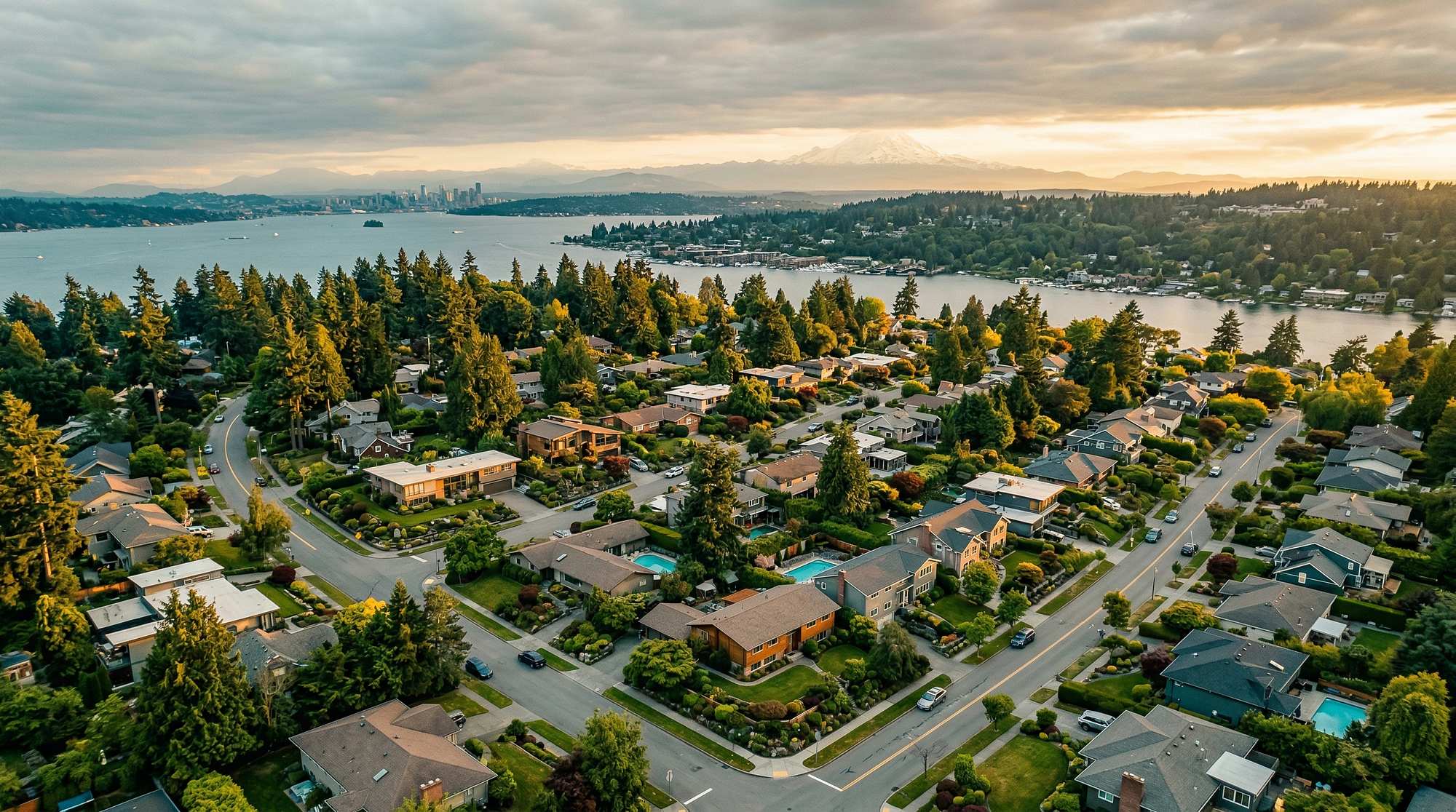
Aerial view of a Pacific Northwest neighborhood with water and mountains in the background

Your home search companion

Your agent set this up to help you stay informed, organized, and confident at every stage of your home search.

Everything you need, all in one place

Research homes, track your favorites, prepare for inspections, and message your agent — all from one app.

Explore PNW home styles

PNW homes vary a lot by decade. Explore what's typical for each era, take the Home Preferences quiz, and know what questions to ask before you tour.

Track and compare homes

Rate your favorites, keep notes on every showing, and compare side by side. Your agent can also schedule visits and share them to your calendar.

Feel confident on inspection day

Learn what to expect, see what the inspector evaluates, and capture room measurements and photos during your walkthrough.

Track your key dates

Stay on top of important deadlines your agent has set — from inspection day to seller response and beyond.

Ready to schedule your inspection?

Appointments available seven days a week — morning and afternoon.

Schedule Online (425) 885-0722

You've got a great agent in your corner. Let's find your home.
PNW Home Styles

Understand your home’s era so you know what to expect — before and during your inspection.

Pre-1940s Homes

The Craftsman Era

Built with old-growth lumber and craftsmanship that's hard to replicate today. These homes have character, history, and bones that have stood the test of time.

Common Styles: Craftsman, Bungalow, Tudor, Colonial
Typical Features: Hardwood floors, built-ins, full basements, old-growth framing

About This Era

Walking into a pre-1940s Pacific Northwest home is like shaking hands with history. Whether it's a Craftsman Bungalow, a Tudor, or a Victorian, these homes were built with materials we simply can't get anymore—specifically, old-growth fir that is incredibly dense and rot-resistant.

Built before modern mass-production, these homes were constructed by true tradesmen. They reflect a time when functionality met artistry—evident in the deep porches meant for rainy PNW afternoons and built-ins designed to maximize modest square footage.

Pre-1940s Craftsman living room with built-in cabinets flanking fireplace, original fir floors, and columned room openings

Where You'll Find Them

Seattle's established urban neighborhoods — the tree-lined streets with sidewalks, corner shops, and walkable character. You'll also find them in the older cores of Tacoma, Everett, and throughout King and Snohomish counties.

Our Climate, Every Home

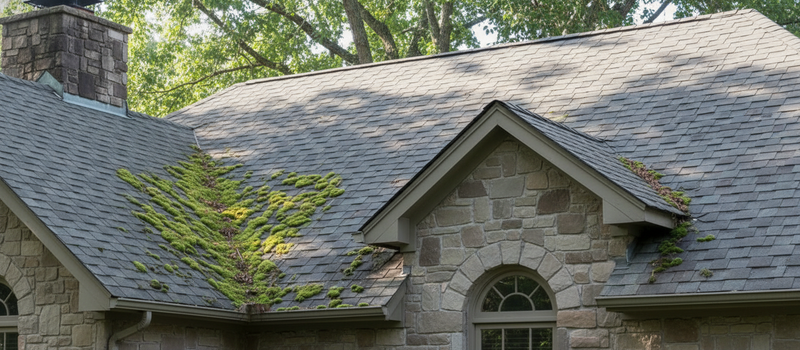
Pre-1940s roof with Pacific Northwest moss growth

It's not the house—it's our climate. The Pacific Northwest's wet winters and mild temperatures create conditions that affect every home, regardless of era:

Moisture management is the name of the game here. Proper drainage, functioning gutters, and adequate ventilation matter more in our climate than almost anywhere else. Moss on roofs is practically a regional trademark—usually more cosmetic than concerning, but worth managing. And every basement in Seattle has stories to tell about our water table.

What to Know

Characteristics We Love

Original Hardwood Floors

Old-growth fir or oak floors that have developed a beautiful patina over decades. Often in remarkable condition under old carpet or linoleum.

Tip: Refinishing can bring these back to stunning condition. Worth preserving!

Built-Ins & Millwork

Original buffets, bookcases, and window seats made from old-growth wood with hand-crafted details impossible to replicate affordably today.

Tip: Preserve and restore rather than replace. These add significant value and charm.

Old-Growth Wood Framing

Framing lumber from trees that grew for centuries—denser, stronger, and more resistant to rot than modern farmed timber.

Tip: This is a genuine advantage. Old-growth lumber is essentially irreplaceable.

Plaster Walls

More durable and sound-dampening than drywall, though can crack with house movement. Often in excellent condition.

Tip: Hairline cracks are cosmetic. Bulging or loose plaster needs attention.

Hardware & Fixtures

Door hardware, light fixtures, and bathroom fittings with quality and design that command premium prices in salvage shops.

Tip: Clean and restore rather than replace. These details define the home's character.

What Your Inspector May Flag

Knob and Tube Wiring

Original electrical wiring run through porcelain knobs and tubes. Not inherently dangerous when undisturbed, but often insufficient for modern electrical needs and may affect insurance.

Your inspector will check this. Ask your agent about next steps if needed.

Galvanized Steel Plumbing

Original supply pipes that corrode from the inside over time, reducing water pressure and potentially affecting water quality.

Your inspector will evaluate the condition. Your agent can recommend next steps.

Foundation Settling

After 80-100+ years, some settling is normal. Post-and-pier foundations were common and may show signs of age.

Your inspector will assess this. Minor settling is typical for homes of this age.

Single-Pane Windows

Beautiful original windows that are energy-inefficient by modern standards. Many have wavy glass that adds character.

DIY or Pro: Storm windows or weatherstripping can improve efficiency while preserving originals.

Minimal Insulation

Most pre-1940 homes were built before insulation was standard. Walls, attics, and floors may have little or none.

DIY or Pro: Attic insulation is usually straightforward. Wall insulation requires more planning.

Clay/Cast Iron Sewer Lines

80+ year old sewer lines are often original clay tile or cast iron, prone to root intrusion, bellies, cracks, and corrosion that cause slow drains or backups.

Your inspector will check this. Ask your agent about next steps.

Crawl Space Moisture

Pre-1940 homes often lack modern vapor barriers and drainage systems. Damp crawl spaces and wet basements are common, creating conditions for mold and wood decay.

Your inspector can test for this. Let your agent know if you notice musty odors.

Worth Discussing

  • Has the electrical been updated, or is it still knob and tube?
  • What is the condition of the plumbing?
  • Should we get a sewer scope?
  • How old is the roof?

Your agent can help you get answers before you decide.

1940s-1950s Homes

Post-War Practicality

Built during the housing boom following WWII, these homes emphasize efficient layouts and durable construction. Many were built for returning veterans and growing families.

Common Styles: Rambler, Ranch, Cape Cod, Early Split-Level
Typical Features: Efficient layouts, hardwood floors, solid construction, detached garages

About This Era

The post-war housing boom transformed the Pacific Northwest. Returning veterans and their growing families needed homes—fast. Builders responded with efficient designs that balanced quality construction with the need for speed.

These homes introduced the rambler (single-story ranch) to Seattle neighborhoods, along with early split-levels. Construction methods began modernizing, but many builders still used quality materials and solid techniques learned from the pre-war era.

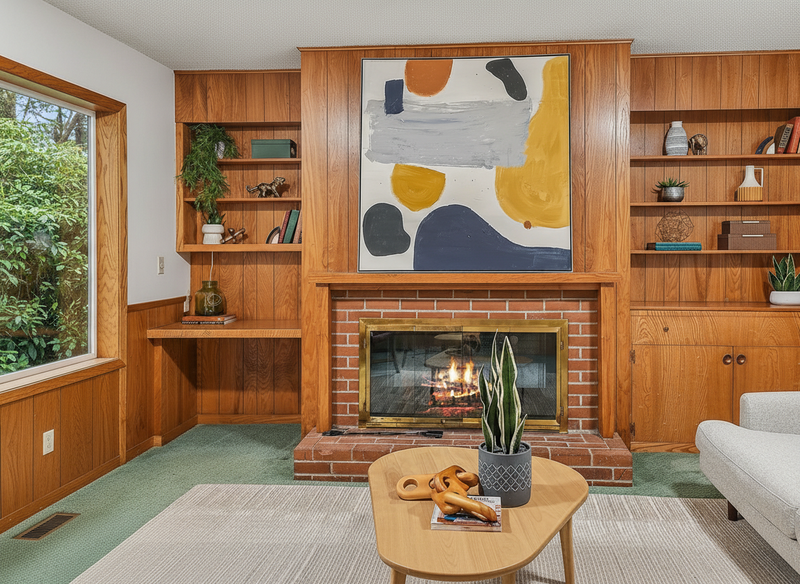
Cozy 1950s living room with honey wood paneling, built-in shelving, red brick fireplace, green carpet, and mid-century abstract art

Where You'll Find Them

First-ring suburbs and established residential neighborhoods throughout the Puget Sound region. These are the neighborhoods with mature trees, wider lots, and a settled, lived-in character.

Our Climate, Every Home

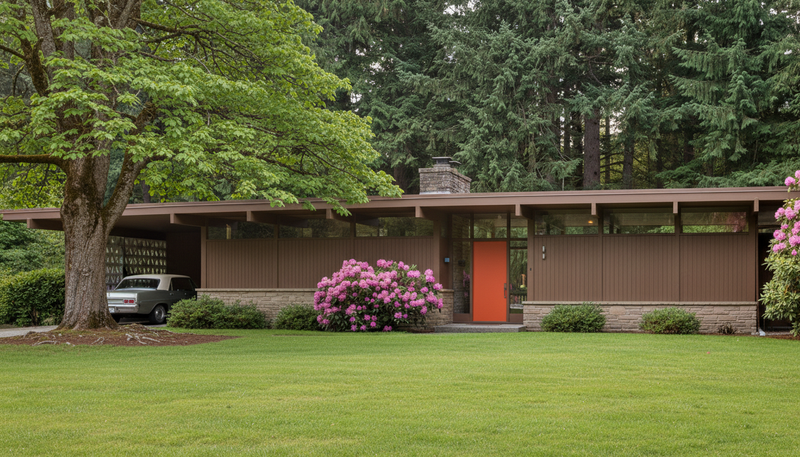
Mid-century rambler with mature trees in Pacific Northwest neighborhood

Our climate shapes every home in the region. Here's how it specifically affects homes from this era:

Those beautiful mature trees that give mid-century neighborhoods their character? After 70+ years, they're now towering giants with root systems to match. In our wet soil, roots aggressively seek out moisture—including your clay sewer lines and original drain tiles. Root intrusion is one of the most common issues we see in 1950s-era homes, and a sewer scope before purchase is essential. The trees also mean gutters full of debris and moss that thrives in the shade they create.

What to Know

Characteristics We Love

Solid Construction

Built by tradesmen who learned their craft pre-war. Framing, plaster work, and finish carpentry often exceed later decades.

Tip: Many of these homes have "good bones" that make renovation straightforward.

Original Hardwood Floors

Oak or fir hardwoods were standard. Often hidden under carpet but typically in excellent condition.

Tip: Pull back carpet corners during showing to check condition.

Efficient Floor Plans

Designed for functionality without wasted space. Rooms flow logically and storage was thoughtfully included.

Tip: These layouts often work better for modern living than you'd expect.

Mature Landscaping

Established trees and plantings add privacy, shade, and curb appeal that new construction lacks.

Tip: Have large trees evaluated—they're assets when healthy, liabilities when not.

Detached Garages

Common in this era. Offers flexibility for conversion but less convenient than attached.

Tip: Great candidates for ADU conversion or workshop space.

What Your Inspector May Flag

Electrical Panels

60-amp service was standard. Fuse boxes or early breaker panels may need upgrading for modern electrical demands.

Your inspector will check this. Ask your agent about next steps.

Galvanized Plumbing

Steel supply pipes that corrode internally over time. May affect water pressure and quality.

Your inspector will evaluate the condition. Your agent can recommend next steps.

Original Sewer Lines

Clay tile or early cast iron sewer lines are 70+ years old. Root intrusion and deterioration are common.

Your inspector will check this. Ask your agent about next steps.

Asbestos Materials

Common in floor tiles, pipe insulation, siding, and textured ceilings. Not dangerous if undisturbed.

Your inspector will check this. Ask your agent about next steps.

Single-Pane Windows

Original aluminum or wood windows are energy-inefficient but often still functional.

DIY or Pro: Storm windows improve efficiency. Full replacement is an option but costly.

Basement Moisture

Perimeter drains and waterproofing weren't standard. Damp basements are common in our climate.

Your inspector can test for this. Let your agent know if you notice musty odors.

Heating Systems

Oil furnaces, gravity furnaces, or early forced-air systems. Many have been updated, but some remain.

Your inspector will check this. Ask your agent about next steps.

Worth Discussing

  • Has the electrical panel been upgraded?
  • Should we get a sewer scope?
  • Are there any known asbestos-containing materials?
  • How old is the roof?

Your agent can help you get answers before you decide.

1960s-1970s Homes

The Split-Level Era

An era of experimentation in home design, featuring split levels, open floor plans, and new construction materials. These homes reflect changing American lifestyles.

Common Styles: Split-Level, Bi-Level, Contemporary, Mid-Century Modern
Typical Features: Open floor plans, large windows, attached garages, outdoor living spaces

About This Era

The 1960s and 70s brought experimentation to Pacific Northwest neighborhoods. Split-levels maximized square footage on sloped lots. Open floor plans reflected changing family dynamics. New materials—some better than others—found their way into construction.

This era introduced the attached garage as standard, along with larger windows, sliding glass doors, and outdoor living spaces. Construction quality varied widely as the building industry scaled up to meet suburban demand.

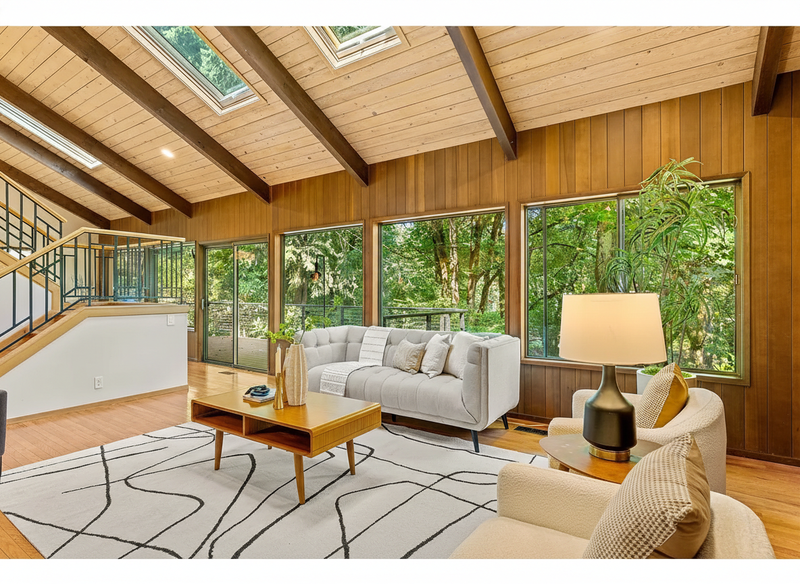
1970s living room with dramatic wood plank vaulted ceiling, exposed beams, floor-to-ceiling sliding glass doors, and deck overlooking Pacific Northwest landscape

Where You'll Find Them

Suburban neighborhoods that expanded outward from city centers during this era. Look for cul-de-sacs, larger lots, and neighborhoods built around schools and parks across King, Snohomish, and Pierce counties.

Our Climate, Every Home

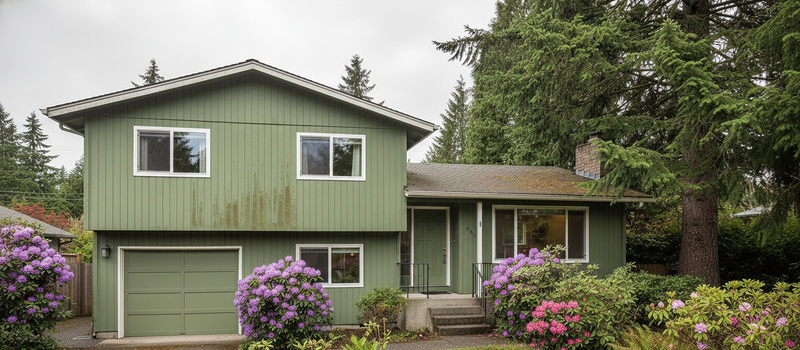
1970s split-level home with T1-11 siding in Pacific Northwest setting

The Pacific Northwest's wet winters and mild temperatures bring specific challenges to homes of this generation:

That vertical groove siding on so many 1970s homes? It's called T1-11, and our climate is its nemesis. This sheet siding was affordable and fast to install, but after 50+ years of Pacific Northwest rain, many installations are failing. Moisture penetrates the grooves, gets trapped behind the panels, and causes hidden rot in the sheathing and framing beneath. Pay close attention to bottom edges near the ground, areas around windows, and anywhere caulk has cracked. What looks like solid siding from the street may be hiding expensive surprises.

What to Know

Characteristics We Love

Split-Level Layouts

Maximizes space on sloped lots common to Seattle. Creates natural separation between living areas, bedrooms, and recreation spaces.

Tip: These layouts work well for multi-generational living or home offices.

Large Windows

Picture windows, clerestories, and sliding glass doors brought the outdoors in—especially valuable in our gray winters.

Tip: Original windows may need updating for efficiency, but the design intent is excellent.

Outdoor Living

Patios, decks, and covered outdoor areas became standard. Great bones for modern outdoor entertaining.

Tip: Check deck structure—original decks may need rebuilding to current codes.

Attached Garages

Became standard in this era. Convenience for our rainy climate plus additional storage and workshop space.

Tip: Verify fire separation between garage and living space is intact.

Established Areas

Mature trees, established landscaping, and known neighborhood character. What you see is what you get.

Tip: Research the neighborhood—these areas have track records you can evaluate.

What Your Inspector May Flag

Aluminum Wiring

Used 1965-1973 to save copper. Creates fire risk at connections if not properly remediated.

Your inspector will check this. Ask your agent about next steps.

FPE/Zinsco Panels

Common electrical panels from this era with documented safety issues. Breakers may not trip properly.

Your inspector will check this. Ask your agent about next steps.

Polybutylene Pipes

Gray plastic supply pipes (late 70s through 90s) prone to sudden failure. Often hidden in walls.

Your inspector will check this. Ask your agent about next steps.

Flat/Low-Slope Roofs

Common on mid-century designs. Early flat roof systems often leaked; many have been replaced or recovered.

Your inspector will check this. Ask your agent about next steps.

T1-11/Hardboard Siding

Sheet siding products that deteriorate when moisture gets behind them. Common failure point in our climate.

Your inspector will check this. Ask your agent about next steps.

Sewer Line Condition

Original sewer lines are 50-60 years old. Orangeburg (tar paper) pipes from this era are especially failure-prone.

Your inspector will check this. Ask your agent about next steps.

Asbestos Presence

Floor tiles, ceiling texture, pipe insulation, and siding may contain asbestos. Safe if undisturbed.

Your inspector will check this. Ask your agent about next steps.

Worth Discussing

  • Does this home have aluminum wiring?
  • What type of siding is on the home?
  • Should we get a sewer scope?
  • Has the roof been replaced or recovered?

Your agent can help you get answers before you decide.

1980s-1990s Homes

The Builder-Grade Era

Volume production and cost efficiency defined this era. While sometimes lacking architectural distinction, these homes introduced improved energy codes and modern amenities.

Common Styles: Two-Story Traditional, Daylight Basement, Neo-Colonial
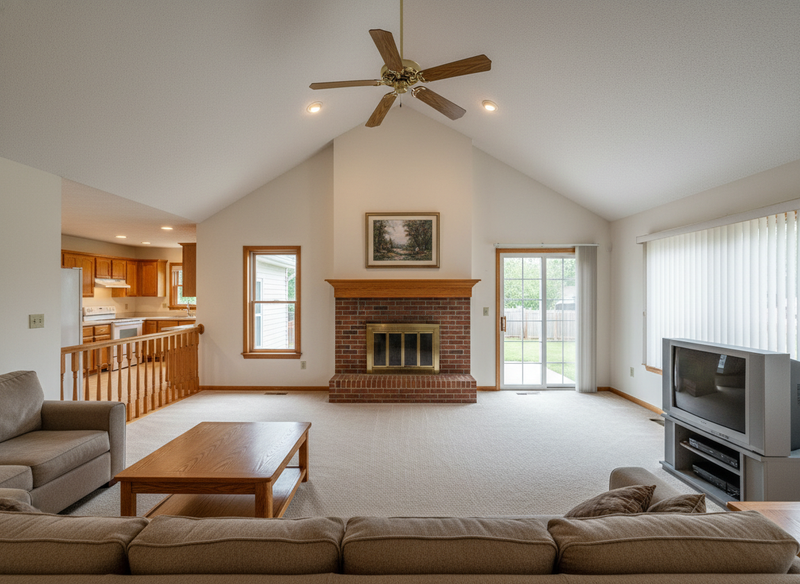
Typical Features: Vaulted ceilings, master suites, attached two-car garages, vinyl windows

About This Era

The 1980s and 90s brought standardization to home building. Production builders refined their processes, energy codes improved, and modern amenities became standard. These homes are functional, practical, and now reaching the age where original components need attention.

You'll find vaulted ceilings, master suites, and open-concept great rooms. Construction methods became more consistent, though material quality sometimes took a back seat to cost efficiency. The trade-off was more square footage at lower prices.

1990s great room with vaulted ceiling, brass ceiling fan, brick fireplace, neutral beige carpet, oak railings, sliding glass door with vertical blinds, and open concept to kitchen

Where You'll Find Them

The suburban ring that developed through the '80s and '90s boom — planned communities, newer subdivisions, and areas where farmland became neighborhoods. Common in the Eastside, South King County, and Snohomish County growth corridors.

Our Climate, Every Home

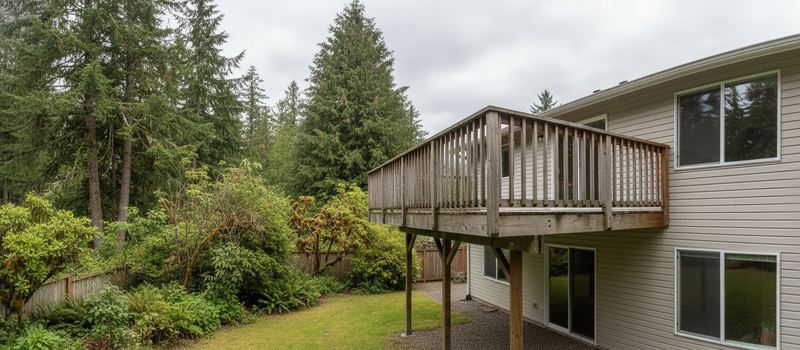
Weathered deck on a 1990s home showing Pacific Northwest climate wear

Our regional climate creates conditions that affect every home, but homes from this era have their own specific vulnerabilities:

That backyard deck you love? If it's original to an 80s or 90s home, it's likely on borrowed time. Pressure-treated lumber became standard for decks in this era, and while it resists insects, our relentless moisture eventually wins. After 25-40 years of Pacific Northwest rain, original decks show splitting boards, wobbly railings, and—most concerning—hidden rot where the ledger board attaches to the house. This connection point traps moisture and is a common source of structural failure and water intrusion into the home. A deck inspection should check underneath, not just the surface you walk on.

What to Know

Characteristics We Love

Modern Floor Plans

Open concepts, vaulted ceilings, master suites with en-suite baths. These layouts still work for today's lifestyles.

Tip: Minor updates make these homes feel current without major renovation.

Energy Codes

Better insulation, double-pane windows, and more efficient HVAC than earlier eras. Lower utility bills than older homes.

Tip: Still room for improvement, but the baseline is reasonable.

Standardized Systems

Consistent construction methods mean predictable maintenance. Parts are available, contractors know these homes well.

Tip: Repairs and updates are typically straightforward and competitively priced.

Garage Space

Two-car garages became standard. Ample storage for our rainy climate plus workshop potential.

Tip: Verify garage door opener age—modern units are safer and more secure.

HOA Communities

Many developments have mature HOAs with established reserves and track records you can evaluate.

Tip: Review HOA financials and meeting minutes—history reveals patterns.

What Your Inspector May Flag

Composition Roofs

25-30 year roofs are at or past their lifespan. Second or third roof may already be installed.

Your inspector will check this. Ask your agent about next steps.

Aging HVAC Systems

Furnaces and AC units from this era are 25-40 years old. Most have been replaced; original equipment is past due.

Your inspector will check this. Ask your agent about next steps.

Polybutylene Pipes

Gray plastic pipes used into the mid-90s are prone to sudden failure. Class action settlement ended but risk remains.

Your inspector will check this. Ask your agent about next steps.

Vinyl/Aluminum Siding

Original siding may be faded, cracked, or damaged. What's underneath matters—check for moisture damage.

Your inspector will check this. Ask your agent about next steps.

Original Windows

Early double-pane windows often have failed seals (foggy glass). Frames may be worn.

DIY or Pro: Individual glass units can be replaced, or consider full window upgrade for efficiency.

Water Heater

Tank water heaters last 10-15 years. Any original equipment is well past its lifespan.

Your inspector will check this. Ask your agent about next steps.

Deck Condition

Original pressure-treated decks are reaching end of life. Ledger boards and posts may have hidden decay.

Your inspector will check this. Ask your agent about next steps.

Worth Discussing

  • How old is the roof, furnace, and water heater?
  • Does the home have polybutylene plumbing?
  • Should we get a sewer scope?
  • Have the windows been replaced or are they original?

Your agent can help you get answers before you decide.

2000-2015 Homes

The McMansion to Modern Transition

From the pre-recession building boom through the recovery, this era spans dramatically different market conditions and construction approaches.

Common Styles: Craftsman Revival, Contemporary, Townhouse, Condo
Typical Features: Open concepts, granite counters, stainless steel, engineered hardwood

About This Era

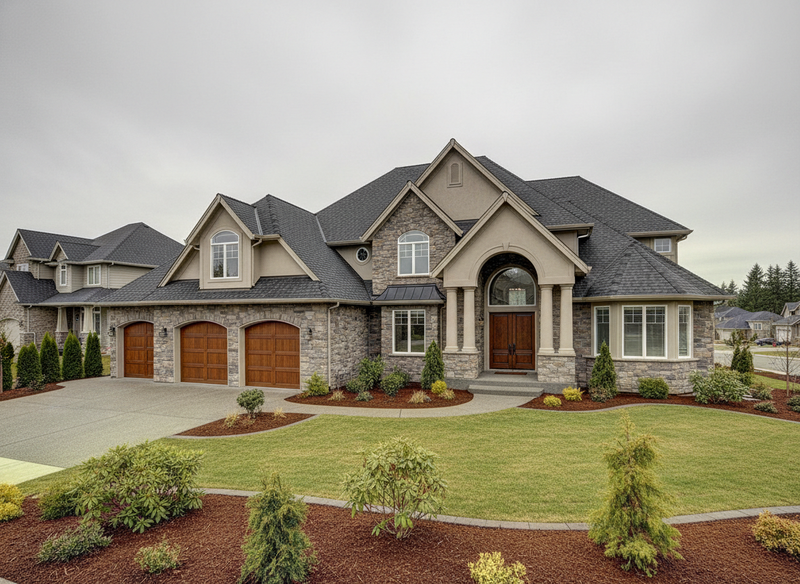
The 2000-2015 era tells two distinct stories. Pre-2008 homes often feature generous square footage, builder upgrades, and the "more is more" philosophy of the housing boom. These McMansion-influenced designs prioritized impressive facades, soaring entries, and bonus rooms.

Post-recession construction shifted toward quality over quantity. Builders who survived the crash emerged leaner, and energy codes tightened significantly. Homes from 2010-2015 often feature better insulation, more efficient HVAC systems, and tighter building envelopes than their pre-crash siblings.

Pre-2008 McMansion with stone and stucco facade, dramatic arched entry, multiple rooflines, three-car garage, and elaborate landscaping representing the housing boom era

Where You'll Find Them

Mixed throughout the region — from infill development in established neighborhoods to newer master-planned communities. Townhome and condo construction concentrated near transit corridors and urban centers.

Our Climate, Every Home

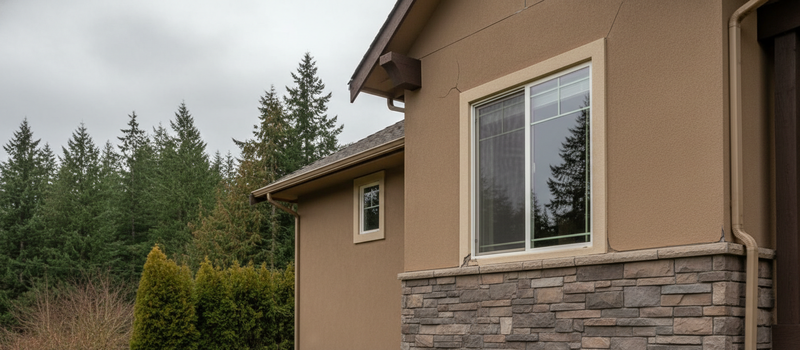
Pacific Northwest home showing stucco exterior issues

Even newer homes aren't immune to Pacific Northwest conditions. Here's what to be aware of:

That attractive stucco exterior? In the Pacific Northwest, it deserves extra scrutiny. Synthetic stucco (EIFS) and even traditional stucco became popular in 2000s construction for its upscale Mediterranean look, but our climate is unforgiving. Unlike the Southwest where it thrives, our 9 months of rain can penetrate improperly sealed stucco and become trapped behind it, leading to hidden rot in the sheathing and framing. Homes with stucco need careful inspection around windows, rooflines, and anywhere the stucco meets other materials. Look for cracks, bulging, or staining—and consider a moisture probe inspection before purchase.

What to Know

Characteristics We Love

Modern Electrical

200-amp service, arc-fault breakers in bedrooms, and code-compliant wiring throughout. No knob-and-tube or aluminum wiring concerns.

Tip: GFCI protection should be present in kitchens, baths, and exterior outlets. Easy upgrade if missing.

PEX Plumbing

Flexible plastic supply lines replaced copper in most construction. Resistant to freezing, corrosion, and scale buildup.

Tip: PEX has proven reliable. Main concern is UV exposure—should be protected where visible.

Open Floor Plans

Kitchen-family room combinations became standard. Great for modern living and entertaining.

Tip: Verify structural beams are properly sized if walls were removed during construction.

Efficient Windows

Low-E coatings, argon fill, and vinyl frames became standard. Significant improvement over single-pane predecessors.

Tip: Check seal condition—failed seals show as fogging between panes. Individual units can be replaced.

Modern HVAC Systems

High-efficiency furnaces, heat pumps, and properly sized ductwork. Most systems from this era are still within useful life.

Tip: Regular filter changes and bi-annual servicing extend system life significantly.

Improved Insulation

Energy codes required better insulation than earlier eras. Walls, attics, and floors are typically well-insulated.

Tip: Check attic—insulation may have settled or been disturbed during work. Easy to top off.

What Your Inspector May Flag

Engineered Wood

Oriented strand board replaced plywood in many applications. Performs well when dry but swells irreversibly when wet.

Your inspector will check this. Ask your agent about next steps.

Synthetic Stucco

Exterior insulation finish systems look great but can trap moisture behind them, causing hidden rot.

Your inspector will check this. Ask your agent about next steps.

Composite Decking

Early composite decking products (pre-2010) often failed—fading, staining, mold growth, and structural sagging.

Your inspector will check this. Ask your agent about next steps.

Builder-Grade Finish

Cost-driven material choices—hollow-core doors, basic fixtures, thin countertops—were common in production homes.

DIY or Pro: Cosmetic upgrades are straightforward. Focus inspection on structure and systems, not finishes.

Sewer Line Transitions

Some homes connect to older neighborhood infrastructure. The pipe leaving the house may be new, but it connects to aging mains.

Your inspector will check this. Ask your agent about next steps.

Fast-Track Construction

Boom-era homes sometimes show signs of rushed construction—missed flashing, inadequate caulking, improper grading.

Your inspector will check this. Ask your agent about next steps.

Worth Discussing

  • Who was the builder, and what is their reputation?
  • Should we get a sewer scope?
  • Are there any known warranty claims or repairs?
  • How old is the roof and what type is it?

Your agent can help you get answers before you decide.

2015+ Homes

The New Construction Era

Modern building codes, energy efficiency requirements, and contemporary design. These homes benefit from the latest standards—but even new homes aren't perfect.

Common Styles: Modern Farmhouse, Contemporary, ADU-Ready, Green Built
Typical Features: Smart home ready, energy efficient, open plans, low-maintenance exteriors

About This Era

New construction represents the state of the art in building technology. These homes feature the tightest building envelopes, most efficient systems, and latest safety features required by current codes. From heat pumps to smart wiring, modern homes are built for efficiency.

But "new" doesn't mean "perfect." Quality varies dramatically between builders. The skilled labor shortage has impacted craftsmanship, and the pace of construction sometimes outstrips quality control. We see brand-new homes with significant issues that would have been caught by better supervision.

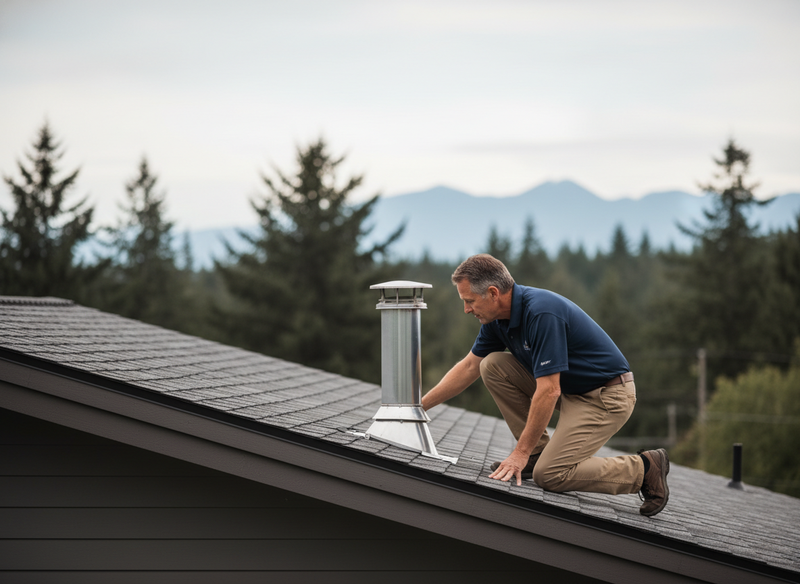
Home inspector kneeling on roof of modern new construction home, examining chimney flashing, with Cascade mountains and evergreen trees in background

Where You'll Find Them

Active development areas throughout the region — from urban infill and teardown rebuilds in Seattle neighborhoods to new communities in growing suburbs. Builder quality and neighborhood character vary widely, so research the specific builder and area.

Our Climate, Every Home

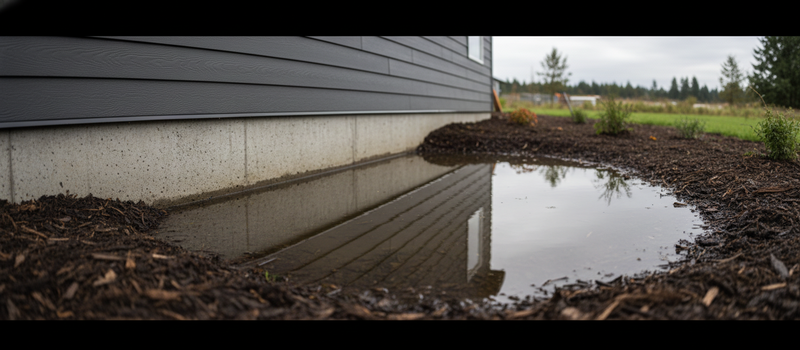
Drainage issue at foundation of new construction home in Pacific Northwest

Modern building codes address many climate concerns, but the Pacific Northwest still presents unique challenges:

Even new construction must prove itself against our climate. Modern homes are better equipped, but the first few years reveal how well drainage, flashing, and water management were executed. Watch for issues during the warranty period.

What to Know

Characteristics We Love

Current Building Codes

Modern codes require arc-fault protection, improved fire blocking, energy efficiency, and safety features not mandated in older homes.

Tip: Code compliance doesn't guarantee quality—it's the floor, not the ceiling.

Energy Efficiency

Tight building envelopes, high-efficiency HVAC, LED lighting, and quality insulation. Lower utility bills and better comfort.

Tip: Ask for energy scores and utility estimates. New homes should perform well here.

Heat Pumps

Modern heat pumps provide efficient heating and cooling. Many new homes feature mini-splits or ducted heat pump systems.

Tip: Understand the system type and register the warranty. Heat pumps need different maintenance than furnaces.

Builder Warranties

Structural warranties (10 years), systems warranties (2 years), and workmanship warranties (1 year) provide protection.

Tip: Document everything. Submit warranty requests in writing before deadlines.

Smart Home Ready

Modern wiring supports smart thermostats, doorbells, locks, and lighting. Infrastructure for future upgrades is built in.

Tip: Ask about pre-wiring. Many builders offer smart home packages as upgrades.

Modern Systems

PEX supply lines, proper venting, 200-amp panels, and USB outlets throughout. Systems that should serve for decades.

Tip: Register warranties on water heaters and major appliances. Keep documentation accessible.

What Your Inspector May Flag

New doesn't mean perfect. New construction inspections are just as important as inspections on older homes. Quality varies widely between builders, and the skilled labor shortage directly impacts craftsmanship. We see brand-new homes with significant issues—missed flashing, improper grading, unfinished details—that only a trained inspector will catch.

Rushed Construction

Builder demand and labor shortages mean some homes don't get the attention they deserve. Missed flashing, gaps in insulation, improper grading.

Your inspector will check this. Ask your agent about next steps.

Drainage Issues

New construction grading often settles after the first year. Water may flow toward foundations as soil compacts.

DIY: Monitor grading during first year. Add soil as needed to maintain slope away from foundation.

New Landscaping

Builder landscaping is minimal—often just hydroseeded lawn. Erosion and drainage issues may appear until plants establish.

DIY: Plan for landscape investment. Plants control erosion and water management better than bare soil.

Drywall Settlement

New lumber shrinks as it dries. Nail pops, drywall cracks, and trim gaps appear in the first year—normal but annoying.

DIY: Wait until after first heating season to repaint. Cosmetic cracks are usually not structural.

HVAC Commissioning

Systems may not be properly balanced or commissioned. Rooms too hot or cold indicate ductwork or equipment issues.

Your inspector will check this. Ask your agent about next steps.

Slab Cracks

Concrete shrinks as it cures. Hairline cracks are normal; larger cracks or patterns may indicate issues.

Your inspector will check this. Ask your agent about next steps.

Worth Discussing

  • Is the builder warranty still active?
  • Has a third-party inspection been done during construction?
  • Are there any outstanding permits or incomplete work?
  • Are there any outstanding warranty items or builder callbacks?

Your agent can help you get answers before you decide.

Now that you've explored the eras...

Take a quick quiz to help your agent understand which home styles resonate with you.

Track Your Home Search

Take the quiz to discover which home features matter most, track your upcoming showings, and capture your impressions after each visit.

✓ Saved

Your Inspection Day Guide

Everything you need to feel prepared and confident on inspection day.

What to Expect

Inspector reviewing findings with couple in Pacific Northwest kitchen
Plan for 2–3 Hours

Your inspector evaluates every major system — roof, foundation, electrical, plumbing, HVAC, and more.

Attend All or the Wrap-Up

Join for the full inspection or just the walk-through at the end. No silly questions — this is your time to ask.

Every Home Has Findings

An inspection isn’t pass or fail. Even new homes have findings. Your agent will help you prioritize what matters.

Capture As You Go

Snap photos, jot down questions, and take measurements — the tools below make it easy.

What Your Inspector Evaluates

Major systems and components covered · Per Washington State Standards of Practice

Good to Know

Add-on services and what’s not included

Additional services we offer

A standard inspection covers the major visible systems. For a more complete picture, we also offer these add-on services — ask your agent which ones make sense for your home:

  • Sewer scope — camera inspection of the main sewer line to check for damage, roots, or blockages
  • Mold testing — air and surface sampling when moisture or visible growth is a concern
  • Thermal imaging — infrared camera that reveals hidden moisture, insulation gaps, and electrical hot spots
Pest inspections require a separate specialist

Wood-destroying organisms like carpenter ants and moisture beetles are common in the Pacific Northwest. A pest or WDO inspection is handled by a licensed pest professional — your agent can recommend one and coordinate the timing.

Your Inspection Day Workspace

Your agent will schedule your inspection — you’ll see the details here.

No inspection scheduled yet.

Once your agent schedules an inspection, your workspace tools will appear here.

After Your Inspection

Your Report & Beyond
What happens next

After the inspection, you’ll receive a detailed written report. You and your agent will review it together, discuss which findings matter most, and decide what to request from the seller. Your agent guides this process.

Your Report

Emailed to you and your agent by 9:00 AM the following morning. Photos, findings organized by priority, and everything in plain language.

View a Sample Report
We’re here after you move in

Even after closing, your inspector is a phone call away. Questions about your report months later? We’re happy to walk through it again at no charge.

Recommended Contractors

Your agent's trusted professionals. Call or email directly to schedule estimates.

Common Questions

Quick answers about your app, your inspection, and what comes next.

About This App

What is this app?

This is your personal companion for the home buying journey. Your agent set it up to help you research home styles, track the homes you’re touring, stay organized on inspection day, and communicate easily — all in one place. Everything you add here is shared with your agent so they can support you better.

What is the Home Preferences quiz?

It’s a quick sorting exercise on the Home Tracker tab that helps you figure out what matters most to you in a home — things like original hardwood floors, natural light, move-in ready, or a big kitchen. Your agent sees your results so they know what to prioritize when searching for homes.

Before Your Inspection

How much does an inspection cost?

Pricing depends on the size and age of the home. Your agent can provide a specific quote and coordinate scheduling — just ask them or send a message through the app.

How long does an inspection take?

Most inspections take 2–4 hours depending on the size and age of the home. Older and larger homes typically take longer.

Do I need to be there for the whole inspection?

No — you’re welcome to attend the entire inspection or arrive toward the end for the wrap-up with your inspector. If you do attend, it’s a great opportunity to start planning your move. Use the Inspection Day tools to capture room measurements, photos, and notes — all from your phone.

Can I add a sewer scope?

Yes — $295, same appointment. A camera inspects the sewer line from the house to the street and can catch problems that would cost $10,000 or more to repair after closing. We’ve seen buyers use the video to negotiate significant credits from sellers. Ask your agent to include it.

What about mold testing or thermal imaging?

Both are available as add-on services during the same inspection. Mold testing is recommended if there are signs of moisture issues — visible discoloration, musty smells, or a history of water intrusion. Thermal imaging uses infrared cameras to reveal hidden moisture, insulation gaps, and electrical hot spots. Your agent can help you decide what makes sense for your home.

During & After Your Inspection

What if something major comes up?

Most findings are manageable and expected for the home’s age — truly major issues are rare. Your inspector walks you through safety concerns and significant findings during the wrap-up at the end of the inspection. After you’ve reviewed the full report, you and your agent will decide together what matters most and what to ask the seller to address.

When do I get my report?

Your report is emailed to you and your agent by 9:00 AM the following morning, or sooner upon request.

What does the report look like?

It includes photos, findings organized by priority, and everything explained in plain language. Easy to read on any device. View a Sample Report

What if I have questions after closing?

Call us — even years later. We keep every report on file and are happy to walk you through it again at no charge.

The Bigger Picture

Is there such a thing as a perfect home?

In 50,000+ inspections since 1986, we haven’t found one yet. Every home has items worth noting — that’s the whole point. The goal is to give you and your agent a clear picture so you can move forward with confidence.